Choosing a stairlift brand is one of the bigger decisions in the buying process. Several reputable manufacturers operate in the UK, each with different design thinking, product ranges and strengths. This guide gives you practical, brand-neutral advice so you can understand how manufacturers differ, what to look for and how to match a brand to your situation.
What specific features should you look for when comparing stairlift brands?
Not every brand builds stairlifts the same way. Design choices, safety features and build quality vary more than you might expect. Before you start comparing individual models, it helps to understand what actually separates one manufacturer from another.
Not every brand builds stairlifts the same way. Design choices, safety features and build quality vary more than you might expect. Before you start comparing individual models, it helps to understand what actually separates one manufacturer from another.
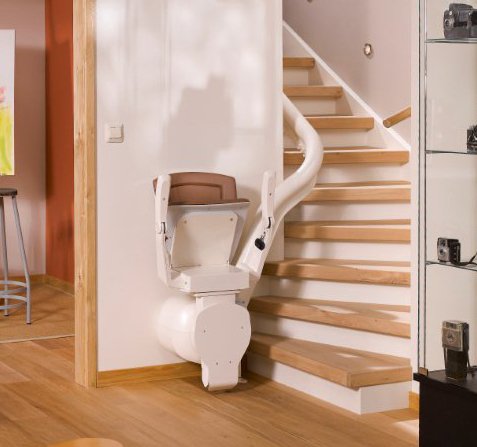
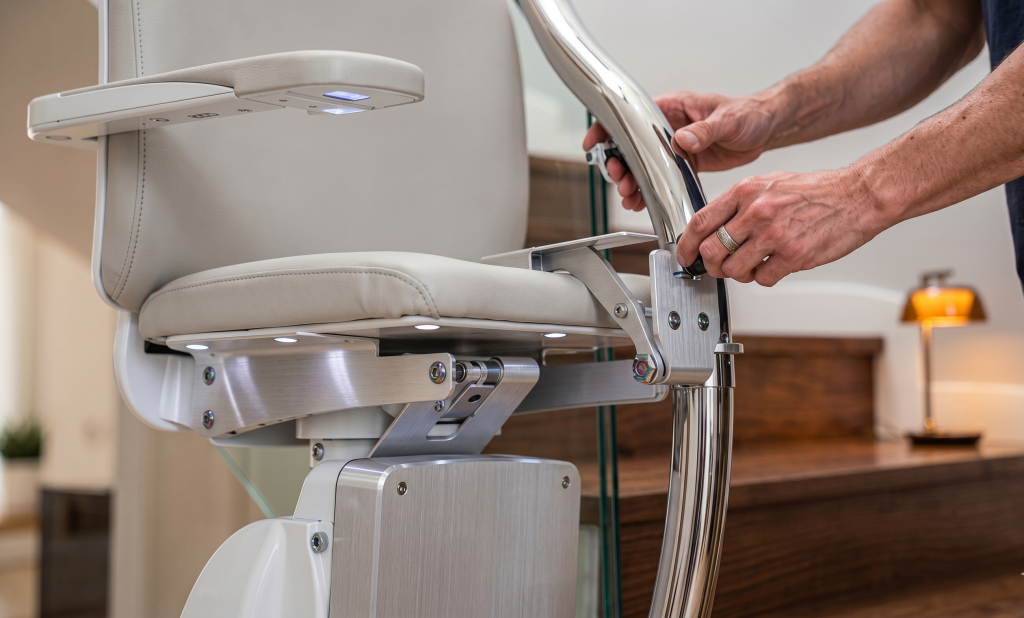
When the stairlift isn’t in use, it needs to fold away. How compact it becomes varies between brands. On a narrow staircase, this could be the difference between other household members getting past safely or not. Look for folding seats, armrests and footplates. Some brands offer powered folding, which helps if you have limited hand strength or dexterity.
Capacities differ between models. The Platinum Ergo supports up to 160kg (25 stone), and the Handicare 1100 is rated to 140kg (approximately 22 stone). Make sure the brand you’re considering has a model that comfortably supports the user’s weight.
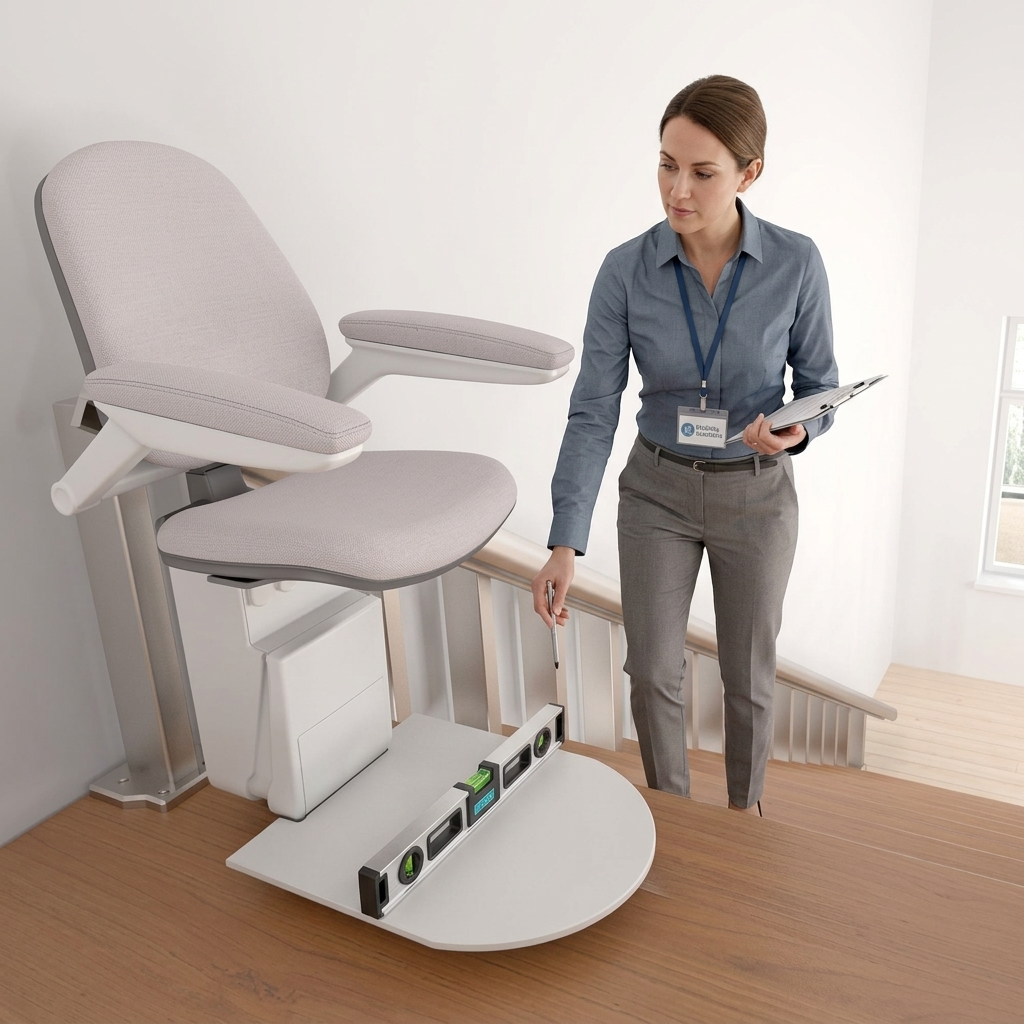
A good brand gives you options: adjustable seat height, arm width, backrest angle and footplate position all contribute to a comfortable ride. If the user has difficulty bending their knees or hips, a perch seat or standing stairlift may be necessary. Not every brand offers these.
All stairlifts sold in the UK should comply with the EN 81-40 safety standard. This covers obstruction sensors, seatbelts, key-operated switches and safe stopping. Reputable brands meet or exceed it. Ask your supplier for confirmation.
Most modern stairlifts run on rechargeable batteries, so they keep working during a power cut. The batteries charge when the stairlift sits at its charging points. This is standard across the major manufacturers, but it’s worth confirming.
Some manufacturers offer a wider choice of upholstery colours, rail finishes and seat styles than others. If your stairlift sits in a visible part of your home, this matters more than you’d think. Access BDD, for instance, offers fabric, vinyl and leather seat covers alongside a range of rail colours for their Flow 2 curved stairlift.
How do stairlift brand comparisons help you choose?
Comparing brands side by side keeps you focused on what actually matters for your home. It also protects you from being steered toward one manufacturer simply because that’s all a supplier stocks.
Here are the main brands you’re likely to come across through an independent supplier:
Are manufactured in Yorkshire and have been producing stairlifts since 1996. Their range covers both straight and curved staircases. The Ergo series stands out for its ergonomic seat design and high weight capacity (up to 25 stone). The Ultimate curved stairlift handles complex layouts with multiple bends and landings.

has over 130 years of experience behind its products. Their 1100 straight stairlift is described as the slimmest stairlift available. It uses a unique four-wheel friction drive: four independently powered motors deliver the movement, so if one were to fail, the others would still complete the journey safely. Handicare says this is the only stairlift on the market with this technology. The grease-free rail stays clean to touch and needs less maintenance. The Handicare 1000 also has one of the slimmest tracks available.

specialises in curved stairlifts. Their Flow 2 and Flow X models handle staircases with bends, turns and tight spaces. The Flow 2 uses Advanced Swivel and Levelling (ASL) technology to rotate and stay level during travel. The Flow X works on staircases as narrow as 640mm, using rotating seat technology that angles the user’s knees during curves to minimise the gap between knees and wall. Both models are custom-built to each staircase.
Produces the Elite straight stairlift, designed with a high weight capacity and a smooth ride.
Manufactures the Otolift Air Smart, a curved stairlift with a compact design and quiet operation. It features the thinnest single rail on the market at just 60mm in diameter.
No single manufacturer makes the best stairlift for every situation. That’s exactly why working with an independent supplier that carries multiple brands gives you a genuine advantage.
Which stairlift brands are best for particular home situations?
The right brand often depends less on the name and more on how well a particular model suits your staircase and your body. Here’s how different brands tend to match up with common requirements.
Space is a real constraint in many UK homes. The Handicare 1100 is described as the slimmest stairlift available for straight staircases, folding close to the wall when not in use. The Otolift Air Smart’s 60mm rail is the thinnest on the market. For curved staircases, the Access BDD Flow X handles widths as narrow as 640mm. Our guide on stairlifts for narrow stairs goes into this in more detail.
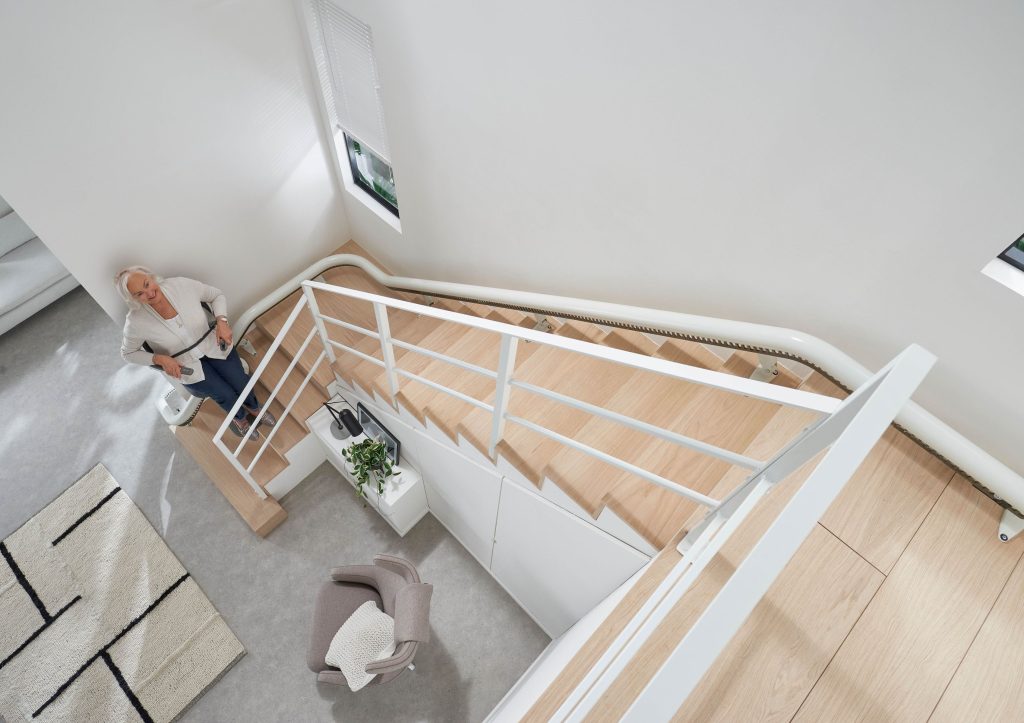
If your staircase has multiple bends, half-landings or quarter turns, the Platinum Ultimate and the Access BDD Flow range are strong options. Each uses a custom-manufactured rail that follows the exact shape of your stairs. The Platinum Ergo Curved also suits complex layouts with its adjustable seating and custom-fit rail.
The Platinum Ergo range (both straight and curved) supports up to 25 stone (160kg). The Handicare 1100 supports up to approximately 22 stone (140kg). The HomeAdapt Bruno Elite is also designed for higher weight capacities.
Standing (or perch) stairlifts suit people who find it difficult to bend at the knees or hips. Not every brand offers this, so discuss your mobility needs during the home survey.
The Handicare 1100’s four-wheel friction drive is notably quiet. The Otolift Air Smart is also designed for quiet, smooth travel.
What alternatives should you consider?
A stairlift isn’t always the only answer. Sometimes a different approach suits your home or circumstances better.
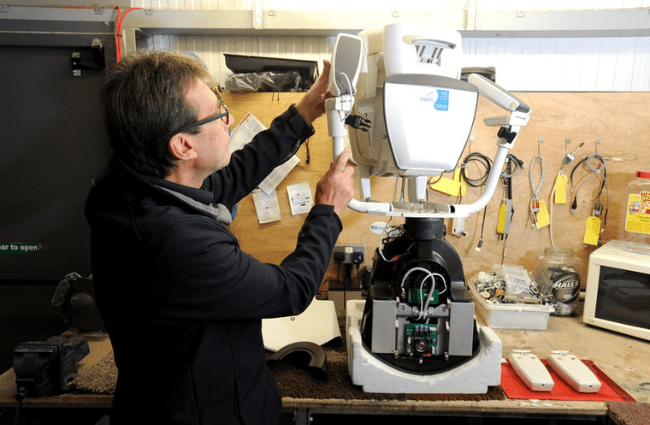
Refurbished stairlifts
From established brands offer the same safety and reliability as new models at a lower cost. A reputable supplier will clean, test and restore every unit to current safety standards before fitting it. They come with warranties and full aftercare. This is a practical route if budget matters but you don’t want to compromise on quality.
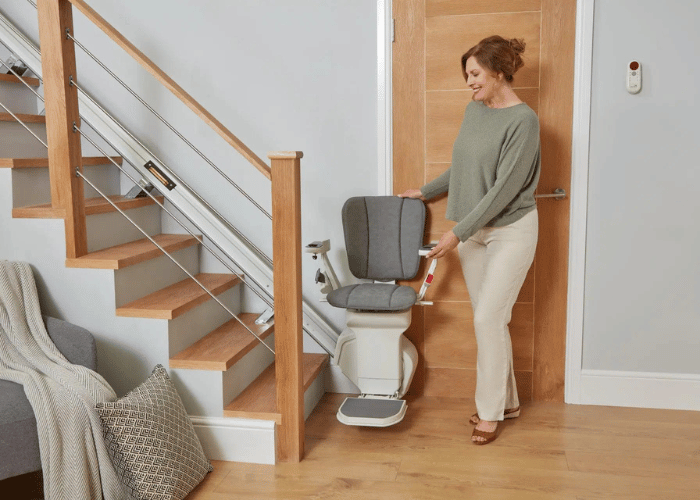
Stairlift rental
Suits temporary needs: recovery from surgery, perhaps, or supporting a visiting family member. Rental agreements typically include fitting, maintenance and removal, so you only pay for the time you need it.
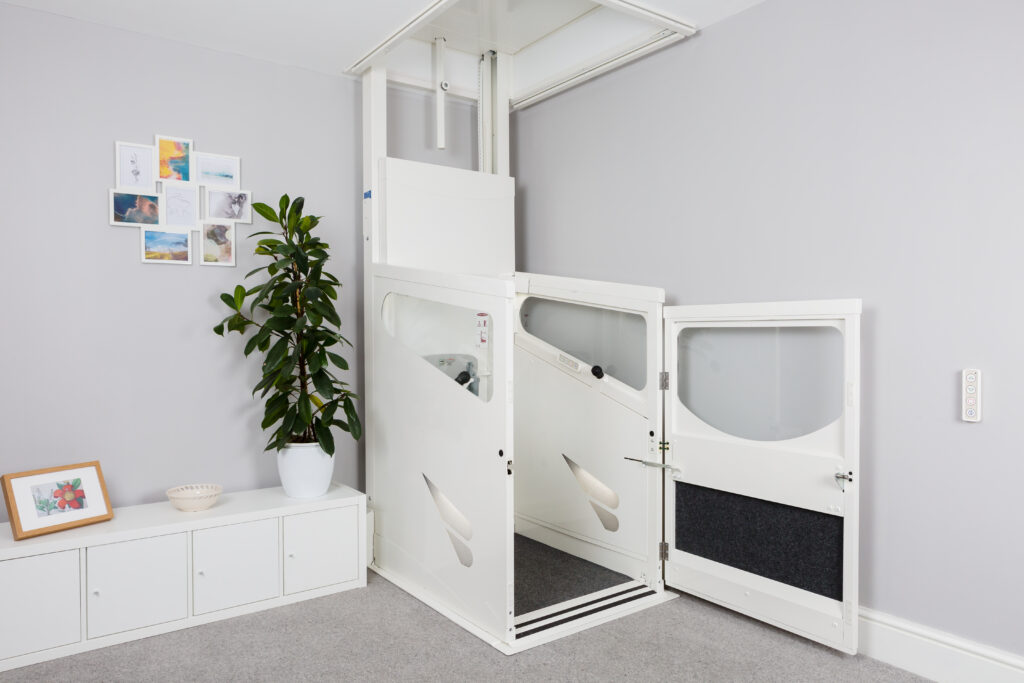
Through-floor lifts
Provide an alternative when a stairlift isn’t feasible or isn’t preferred. These travel vertically between floors through an opening in the ceiling, bypassing the staircase entirely. They suit wheelchair users particularly well.
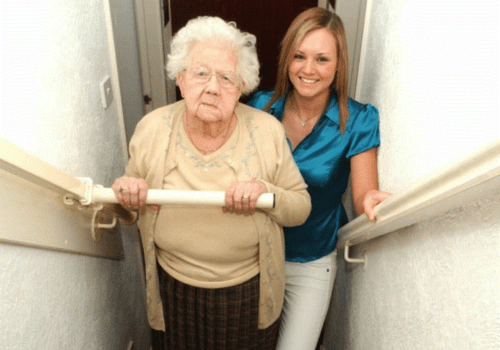
The StairSteady
Is a wall-mounted support rail for people who can still manage stairs but need extra stability. It’s not a stairlift, but it fills the gap for those who aren’t ready for one yet.
How can you tell a quality stairlift brand from a poor choice?
Knowing what to look for (and what to avoid) saves time, money and frustration. Use this table to spot the signs.
| Green flags | Red flags |
|---|---|
| Manufacturer complies with EN 81-40 safety standard | No mention of safety certifications or testing |
| Battery-operated with continuous charging at parking points | Mains-only power with no backup during outages |
| Multiple seat and rail options to suit different needs | One-size-fits-all approach with limited choice |
| Clear warranty terms provided in writing | Vague or verbal warranty promises |
| Custom-manufactured rail for curved staircases | Generic or poorly fitted curved rail |
| Folding seat, armrests and footplate as standard | Non-folding parts that block the staircase |
| Adjustable seat height, arm width and footplate position | Fixed dimensions with no adjustment |
| Powered swivel seat option for safe dismounting | Manual-only swivel at the top of stairs |
| Available through independent suppliers | Only sold through a single, brand-owned operation |
| Published user manuals and aftercare documentation | No documentation or support resources |
| Brand trains independent service engineers | Servicing restricted to the manufacturer's own team |
A good brand backs its product with proper documentation, accessible spare parts and a willingness to support independent engineers. This matters long after the fitting is done. It means your supplier can service, repair and maintain your stairlift without waiting on the manufacturer for every call-out.
How the brand reaches you matters too. An independent supplier that works with several manufacturers can recommend the model that genuinely fits your situation. A company tied to one brand can only offer what that brand makes. Their products might be good, but your options are limited. Understanding how stairlift pricing works also helps you compare value, not just cost.
Choosing the right stairlift starts with the right advice
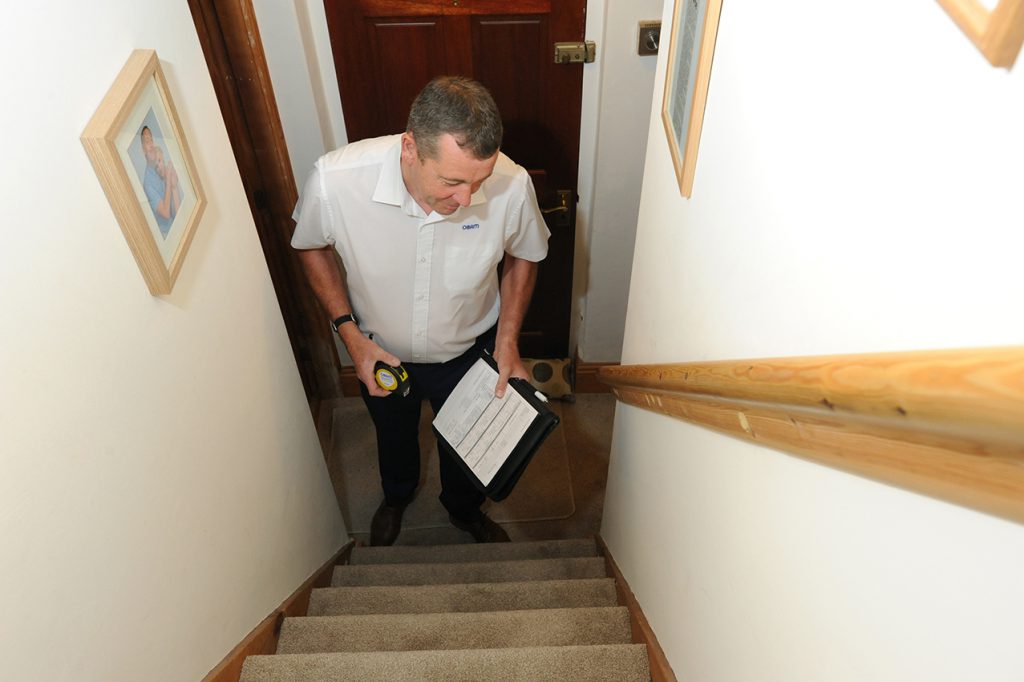
The brand on your stairlift matters. But it matters less than getting the right model for your home and your body. A proper home survey, carried out by someone who understands the full range of manufacturers, is the single most important step in the process. We’re an independent supplier. We work with Platinum, Handicare, Access BDD and other trusted brands because no single manufacturer makes the right stairlift for every staircase. Our salaried surveyor-advisors (not salespeople) will assess your stairs, talk through your mobility needs and recommend the best option from across the market.
We’ve been doing this since 2000, with genuine 24/7 engineer support and manufacturer-backed warranties on every installation. Call us on 01427 787532 or get in touch for a free, no-obligation survey.