Most people don’t want to move. They want to stay in the home they know, in the community they’re part of, with their routines intact.
That’s completely understandable, and in most cases it’s entirely possible.
The changes that make the biggest difference are often simpler than people expect. Some take an afternoon. Others are bigger investments, but ones that pay back in confidence and freedom every single day.
This guide walks through the practical adaptations worth considering, from the small and immediate to the more significant, so you can make informed decisions at your own pace.
There’s no pressure here, just honest information to help you make the right decisions at your own pace.
Start With the Small Stuff
Before thinking about bigger equipment, it’s worth looking at the things that can be changed quickly and cheaply. These small adjustments can have a surprisingly large impact on day-to-day safety and comfort.
Lighting
Poor lighting is one of the most common causes of trips and falls at home, particularly on stairs and in hallways at night. Simple plug-in sensor lights are inexpensive and easy to fit without any specialist help.
Grab rails
A well-placed grab rail by the toilet, in the shower, or at the top and bottom of stairs can make a significant difference to stability and confidence. They don’t have to look clinical. There are many styles available that blend naturally into a home.
Removing trip hazards
Loose rugs, trailing cables, and cluttered walkways are easy to overlook but genuinely risky. A quick walk through the home with fresh eyes, or with the help of a family member, can identify hazards that have become invisible through familiarity.
Non-slip surfaces
Bathrooms and kitchens are the most common places for slips. Non-slip mats, anti-slip strips on steps, and textured flooring options are all low-cost ways to reduce risk.
These changes cost very little but can meaningfully reduce the risk of a fall and the knock-on loss of confidence that often follows.
Think About How You Move Around the Home
Once the basics are covered, it’s worth thinking about the routes you use every day. Where do you feel uncertain? Where do you avoid going because it’s become too difficult?
These are the areas worth focusing on next.
Getting in and out of the house
Steps at the front or back door can become a real barrier, particularly for anyone using a walking frame, wheelchair, or scooter. A well-fitted access ramp removes that barrier entirely.
Ramps don’t have to be permanent. There are portable and modular options available, as well as more substantial fitted solutions for longer-term needs. The right choice depends on the step height, available space, and how the entrance is used day to day.
Moving between floors
The stairs are often the point at which people first start to feel their home is working against them. With the right solution in place, it doesn’t have to stay that way.
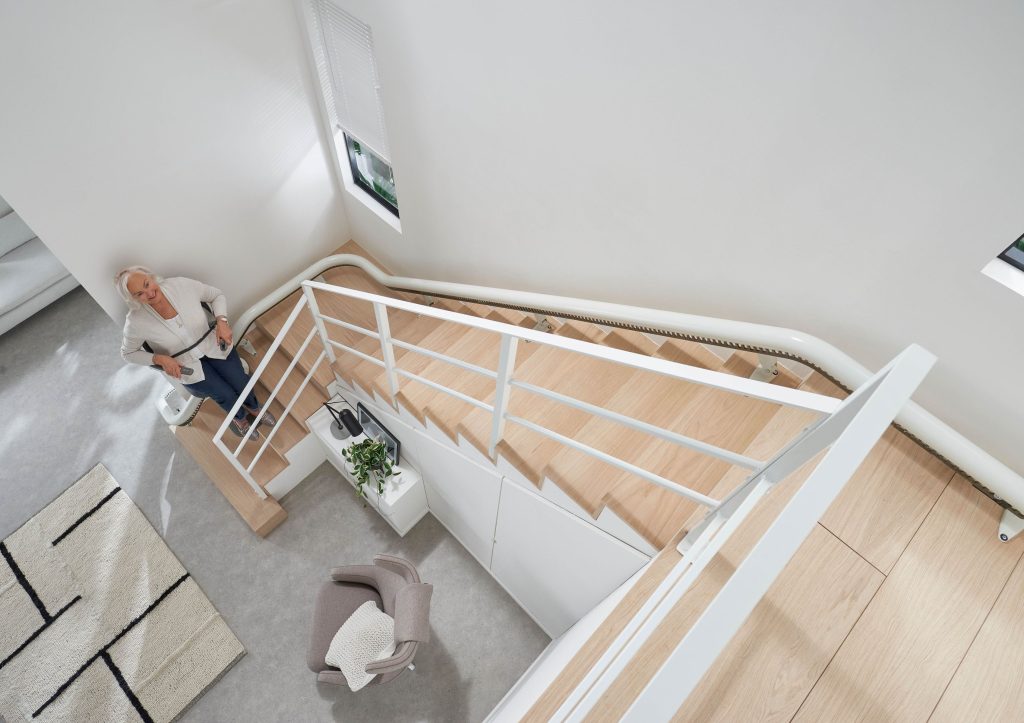
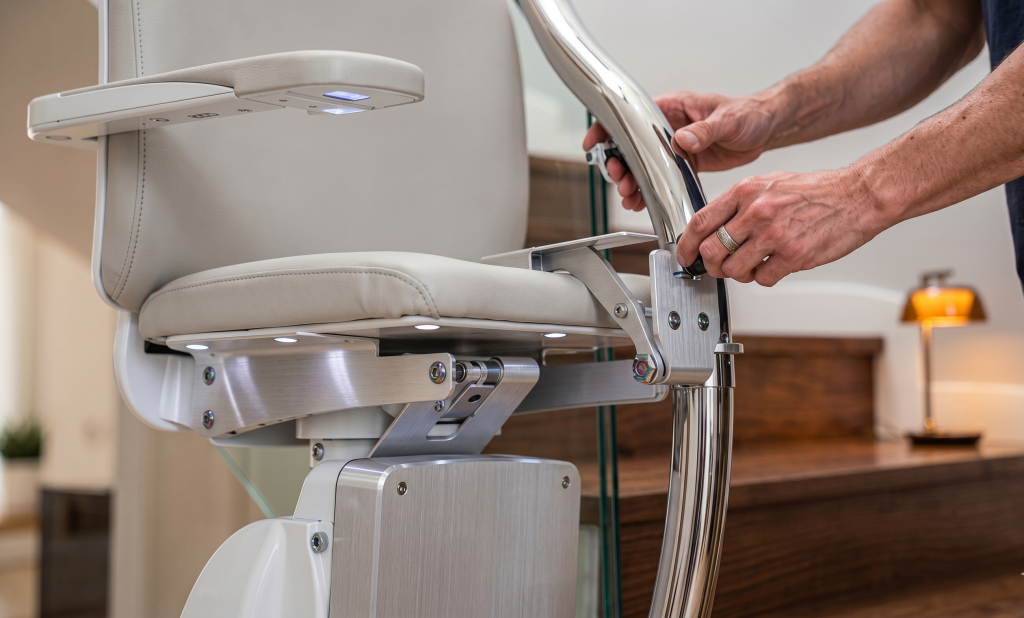
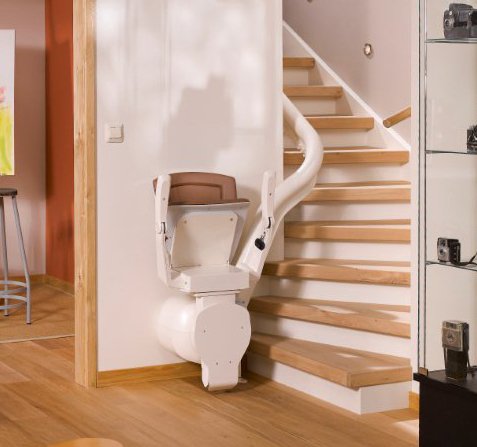
A stairlift allows you to travel between floors safely and comfortably, without the effort or anxiety that stairs can bring. Modern stairlifts are reliable, discreet, and can be fitted to straight or curved staircases. They work in narrow hallways too.
Many people tell us they wish they’d looked into a stairlift sooner. The difference to daily life, and to the confidence of family members, is often significant.
When More Support Is Needed
For some people, the challenge isn’t just getting around independently. It’s transferring safely, getting in and out of bed, or moving between a wheelchair and a chair without risk of injury to themselves or a carer.
This is where specialist lifting equipment makes a real difference.
Hoists
A hoist supports safe transfers for people who need more assistance with movement. They reduce the physical strain on carers significantly and, importantly, they protect the dignity and comfort of the person being assisted.
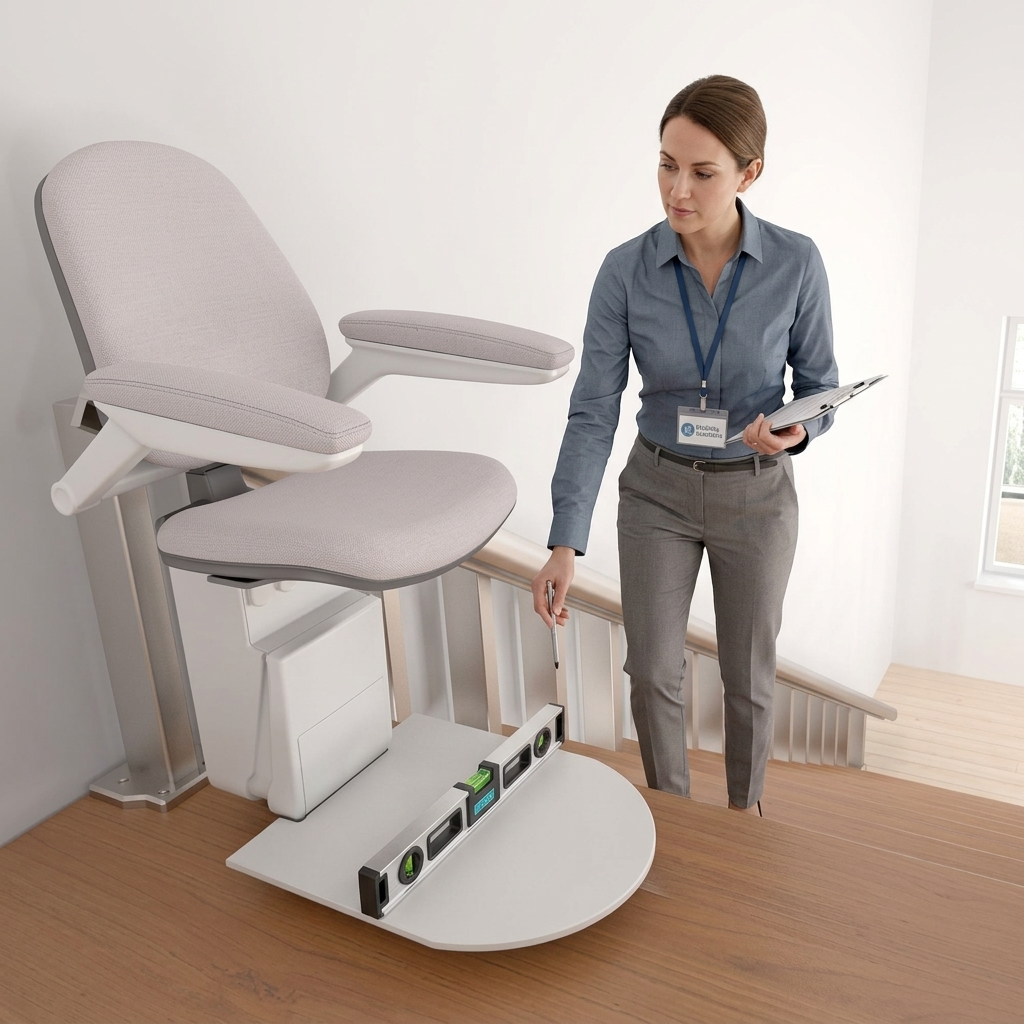
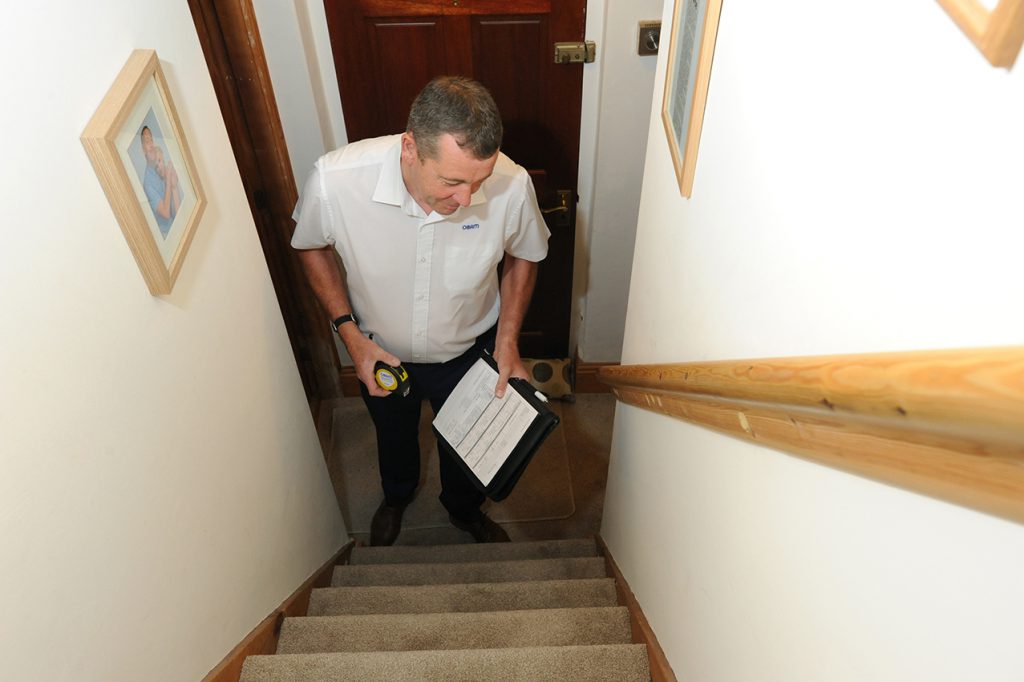
Ceiling track hoists, mobile hoists, and bath hoists each serve different needs. Getting the right one for your situation matters, which is why we always recommend a proper assessment rather than guessing.
Through-floor lifts
A stairlift isn’t always the right answer. For some homes and some needs, a through-floor lift is the better solution.
Through-floor lifts travel vertically through the ceiling, requiring less floor space than a traditional lift and working well in homes where a stairlift track isn’t practical. They’re particularly useful for wheelchair users or anyone who finds transferring to a seated stairlift difficult.
They look far more integrated into the home than many people expect, and they’re a long-term solution that grows with changing needs.
You Don’t Have to Work It All Out Alone
It can feel overwhelming trying to figure out what changes to make, in what order, and at what cost. Most people don’t know where to start, and that’s completely normal.
The most useful thing you can do is have a conversation with someone who knows this area well and who isn’t going to push you towards something you don’t need.
We’ve been helping people stay safe and independent in their own homes since 2000. We work with private customers, families, and occupational therapists across Lincolnshire and Nottinghamshire, and we take the time to understand each situation properly before recommending anything.
If a particular solution isn’t right for you, we’ll tell you. And if there’s a better option, we’ll find it.
Whether you’re at the early stages of thinking this through, or you’re ready to move forward, we’re happy to help.
Get in touch for a no-pressure conversation. Just honest advice.