
Everyday tasks can quickly become challenging as mobility declines due to age, injury, illness, or a long-term condition.
For many people, these changes happen gradually. Climbing the stairs takes a little longer. Carrying laundry upstairs becomes more tiring. A trip to the bathroom during the night requires more concentration than it once did.
Although these changes are common, people often ignore them. Many adapt their routines instead of addressing the underlying problem. Choosing this approach may seem easiest in the short term, but avoiding mobility aids can have hidden costs that reduce independence, confidence, and quality of life.
Why People Delay Using Mobility Aids
Mobility aids are often misunderstood.
Some people see them as a sign of getting older. Others worry that using a mobility aid means losing their independence. In reality, the opposite is often true.
Many people delay seeking support because they:
- Believe their mobility issues are not serious enough
- Feel they should be able to manage on their own
- Worry about how their home might look
- Think mobility aids are only for people with severe disabilities
- Feel uncomfortable accepting help
People can understandably have these feelings, but waiting too long makes daily life more difficult than necessary.
The Impact of Mobility Problems at Home
When mobility becomes restricted, people often make small changes to their routines.
They may avoid going upstairs unless necessary, stop carrying items between floors, or limit how many times they move around the home each day.
Although these adjustments may seem minor, they can gradually reduce independence and lower enjoyment of everyday life.
Common signs of mobility problems at home include:
- Taking stairs one step at a time
- Needing to hold onto walls or bannisters for support
- Feeling tired after climbing stairs
- Avoiding certain rooms in the home
- Feeling anxious about losing balance
Over time, these changes significantly affect confidence and well-being.
Understanding the Risk of Falls on Stairs
Falls are one of the most common causes of injury among older adults, and staircases present a particular challenge.
Even a small loss of balance can cause a serious accident. People with reduced strength, joint pain, poor balance, or limited mobility find stairs increasingly difficult to navigate safely.
The risk of falls on stairs affects not only physical health but also creates anxiety and uncertainty. Some worry every time they use the stairs, and family members often worry about their loved one’s safety at home.
Addressing mobility challenges early reduces these concerns and provides greater peace of mind for everyone involved.
Independence Is About Freedom, Not Doing Everything Alone
Many people assume that remaining independent means continuing to do everything exactly as they always have.
However, true independence is about having the freedom to live comfortably and safely in your own home.
Using a mobility aid does not take away independence. It helps preserve it.
Whether you use a hoist, ramp, floor lift, or stairlift, the right solution makes everyday tasks easier and safer so you can continue enjoying the home you love.
Instead of limiting what someone can do, mobility aids help restore confidence and enable them to live life on their own terms.
Staying Independent at Home for Longer
Most people would prefer to remain in their own home for as long as possible.
Familiar surroundings, treasured memories, and established routines all contribute to comfort and well-being.
When mobility changes, you can make practical adaptations to help you stay at home.
By addressing challenges early, homeowners can:
- Continue accessing all areas of their property
- Reduce physical strain and fatigue
- Improve confidence when moving around the home
- Support their long-term safety and well-being
- Maintain greater independence
If you make small changes today, you can help avoid bigger challenges in the future.
How Stairlifts Can Help
For many people, stairs become the biggest obstacle in the home.
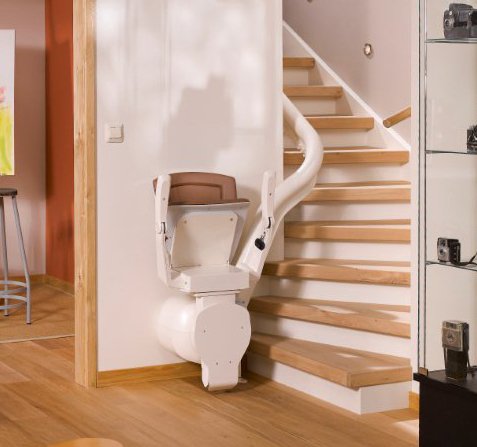
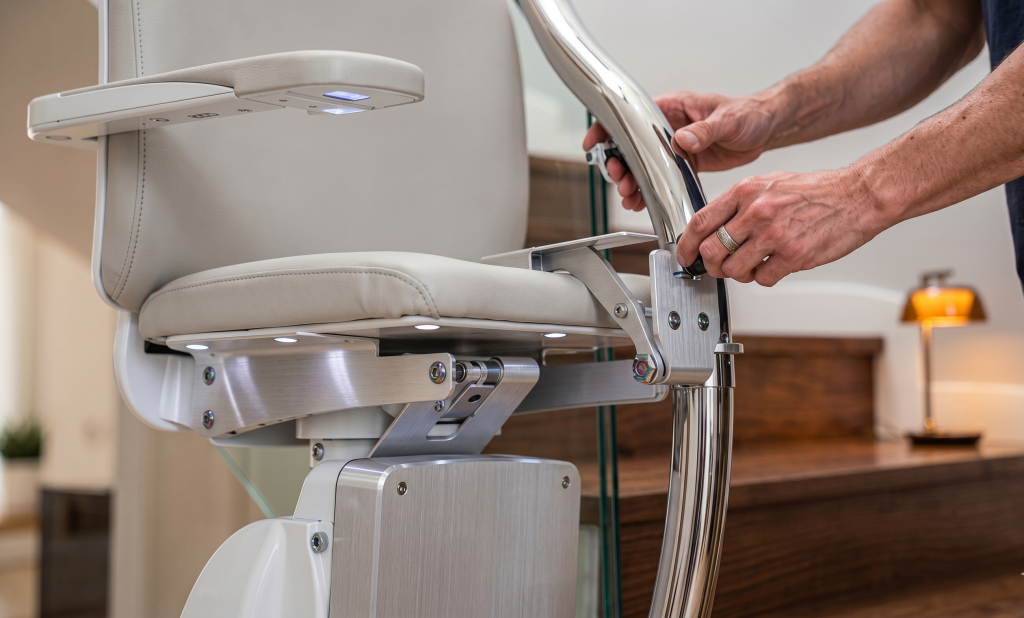
A stairlift lets you move safely and comfortably between floors without facing the physical effort and risk that come with climbing stairs.
Modern stairlifts are designed to fit a wide range of staircases and can often be installed with minimal disruption.
Most importantly, stairlifts enable you to enjoy your entire home without worrying about the challenges stairs may present.
Whether your mobility has changed recently or you have developed difficulties gradually, a stairlift can effectively support independence and improve quality of life.

Speak to Obam About Stairlift Solutions
If you or a loved one is experiencing mobility challenges, addressing them early can help maintain confidence, comfort, and independence.
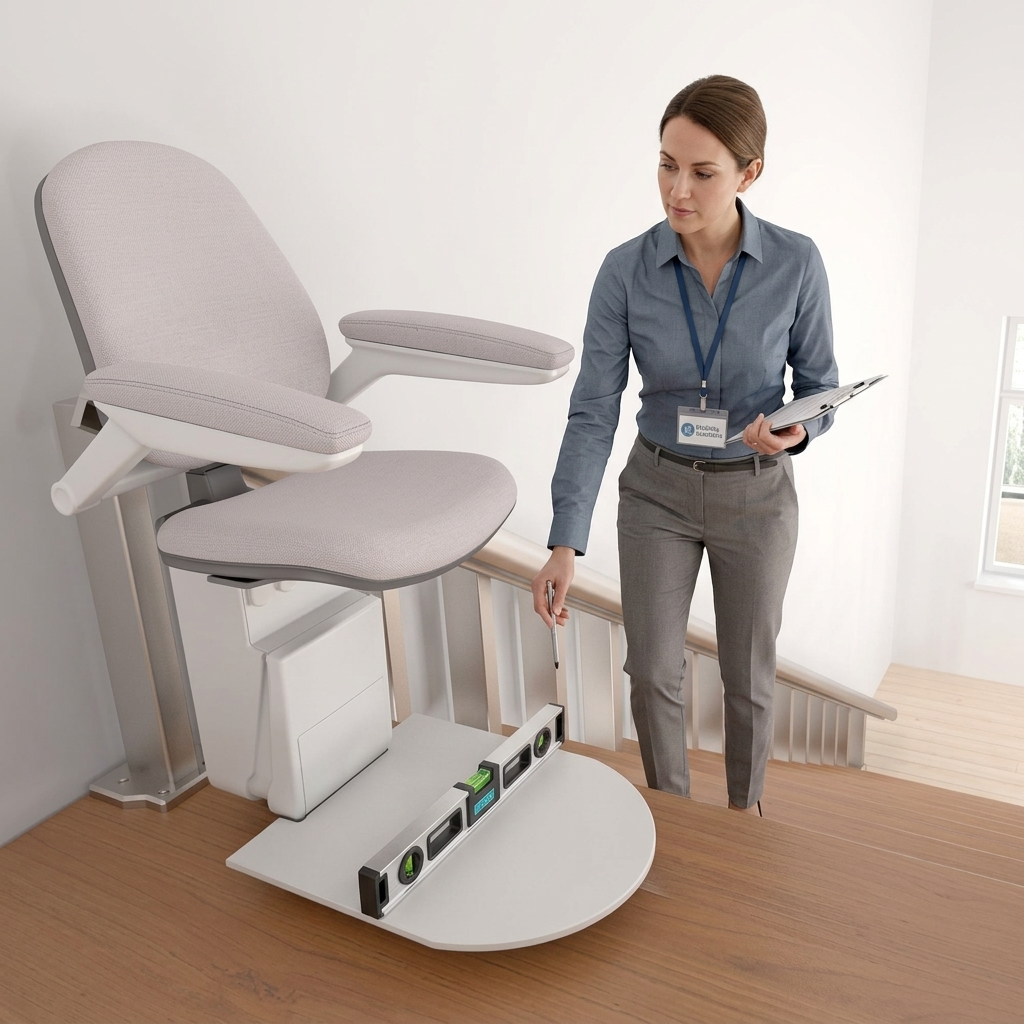
At Obam, we provide honest advice and tailored solutions to help people stay safe and independent in their own homes. Our experienced team can assess your needs and recommend the most suitable option for your property and lifestyle.
If you or a loved one wants to live at home for longer, explore our range of stairlifts and discover how we can help you continue living comfortably and confidently at home.