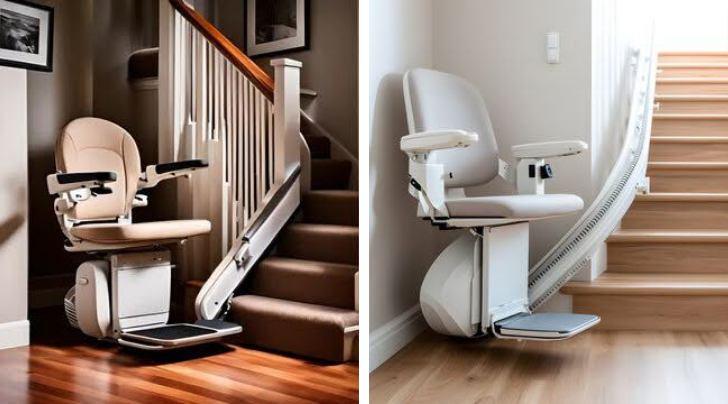
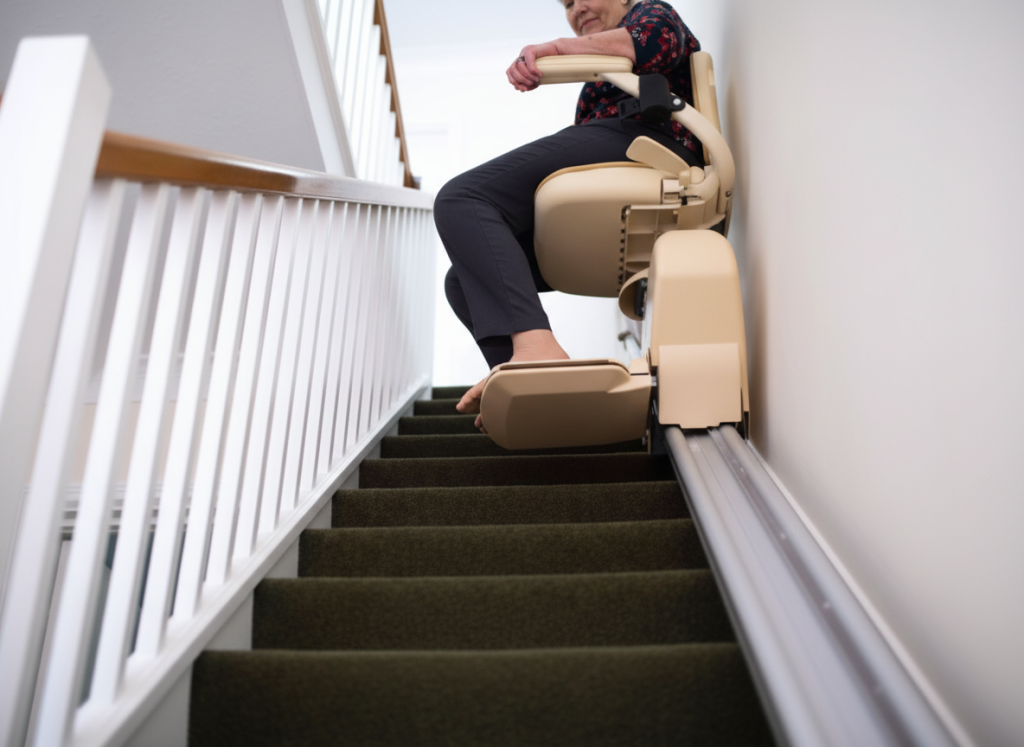
Choosing a stairlift is a big decision. There’s a lot to consider: manufacturers, configurations, new versus refurbished, and buying versus renting. It’s easy to feel overwhelmed. This guide provides practical advice to help you find a stairlift that suits your needs, staircase, and budget.
How Can a Stairlift Change Your Daily Life?
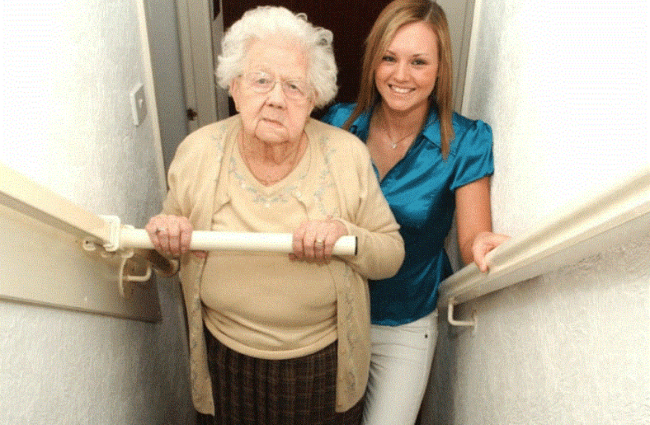
Stairs can become a barrier. Maybe you’re recovering from surgery. A long-term condition has made climbing difficult. Or the stairs have become harder over time. Whatever the reason, struggling with stairs affects more than just getting from one floor to another.
Independence
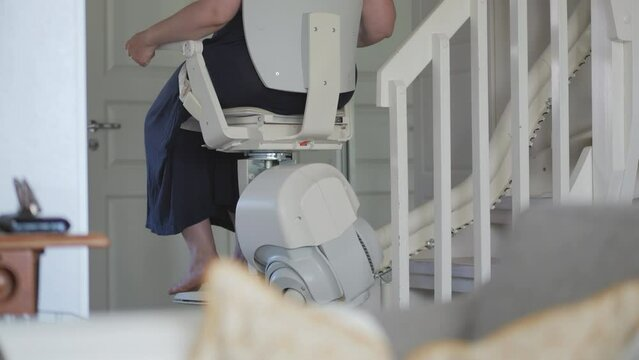
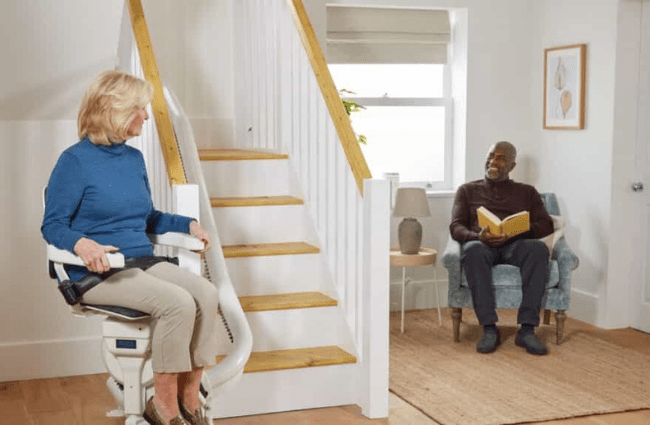
A stairlift lets you move freely between floors without relying on someone else. You choose when to go upstairs. You decide when to come down. That freedom matters.
Safety
Falls on stairs are a serious risk. A stairlift removes that risk by providing a safe, controlled way to travel between levels.
Staying in your home
Many people assume they’ll need to move house when stairs become challenging to navigate. A stairlift can change that. It lets you continue living in your home and familiar surroundings for longer.
Who uses stairlifts?
Stairlifts suit a wide range of situations:
- People with reduced mobility due to age or health conditions.
- Those recovering from surgery or injury who need temporary support.
- People who find bending their knees or hips difficult (standing stairlifts suit this).
- Anyone who finds stairs tiring, painful or unsafe.
What Should You Consider When Choosing a Stairlift?
Before comparing models or requesting quotes, work through these questions first.
This determines your stairlift type. Walk your stairs. Do they run in a single straight line, or are there bends, curves or landings? Straight staircases need consecutive stairlifts. Anything with turns requires a custom-built, curved model, tailored to your exact measurements.
Think honestly. Can you bend your knees and hips comfortably? If not, a perch seat lets you travel in a supported standing position. Do you have the grip strength to operate a joystick, or would push buttons work better? If your condition might progress, consider features that’ll accommodate future changes.
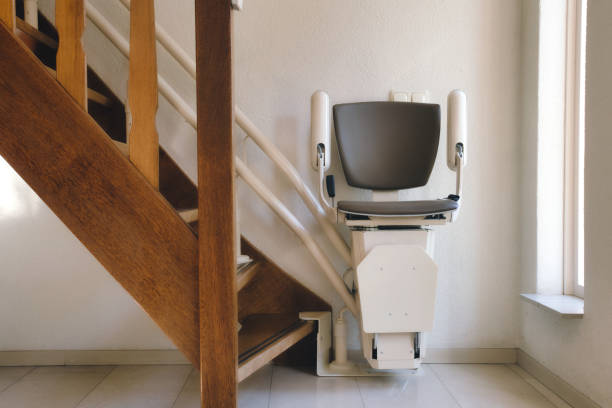
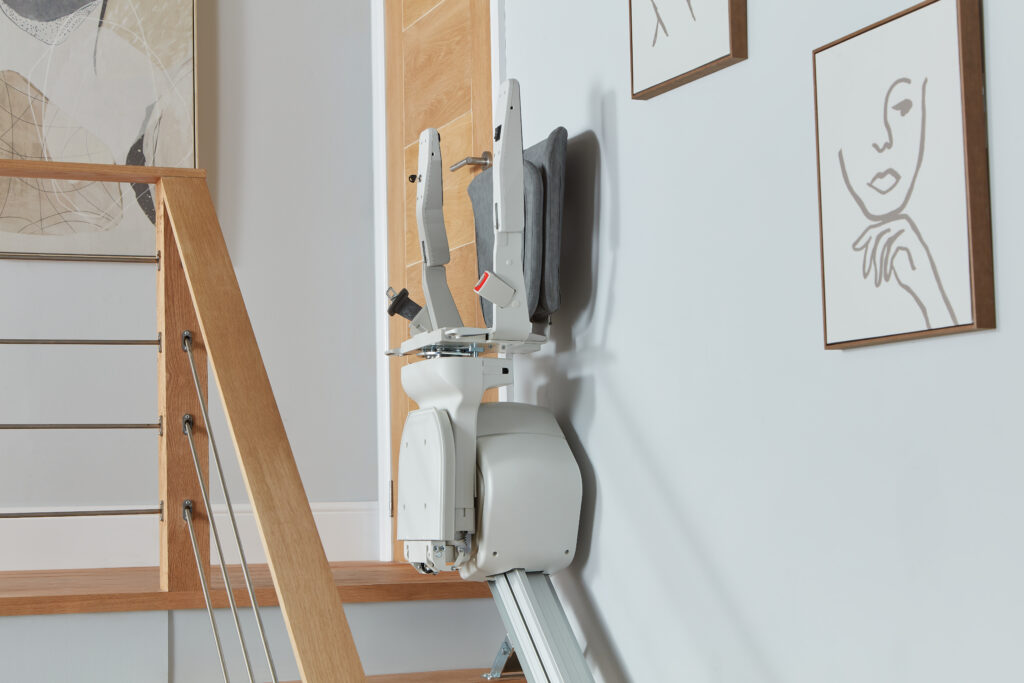
If others walk past regularly, you’ll want a stairlift that folds away neatly. Measure your staircase width. Narrower stairs need a slimline model. If several family members will use the stairlift, check the weight capacities.
Be clear about what you can afford and when you need it. Straight stairlifts can often be fitted quickly. Curved models take longer to manufacture because they’re made to order. If the budget is tight, a refurbished model or renting might be a viable option. Also, consider applying for grants, such as the Disabled Facilities Grant, if you’re eligible.
Look beyond the headline figure. Does it include warranty, installation and packaging removal? Is there a service plan? What’s the aftercare like? A slightly higher price from a company with genuine 24/7 support often proves better value than a cheaper option with limited backup.
How Can You Spot a Quality Stairlift Supplier?
Not all providers offer the same level of service. Use this table to tell the difference.
Salaried advisors, not commission salespeople.
Free, no obligation home survey before quoting.
Genuine 24/7 engineer call out (not a call centre).
Works with local authorities and holds council contracts.
Offers new, refurbished and rental options.
Manufacturer-trained engineers.
Clear warranty terms.
Verifiable customer reviews.
Takes time to understand your needs.
Transparent pricing.
High-pressure tactics or limited-time offers.
Quotes given over the phone without seeing your staircase.
Support is limited to office hours.
No professional partnerships or accreditations.
Only promotes expensive models.
Uses subcontractors or untrained fitters.
Vague warranty information.
Only testimonials on their own website.
Recommends products before assessing your situation.
Hidden fees.
Your Stairlift Options
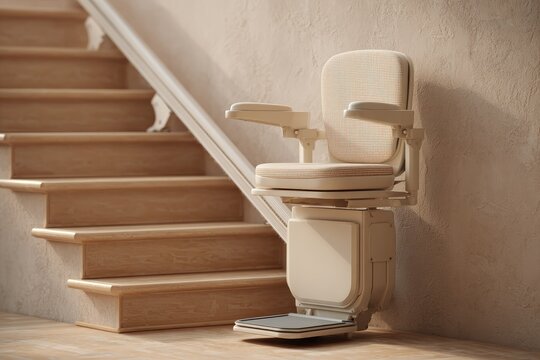
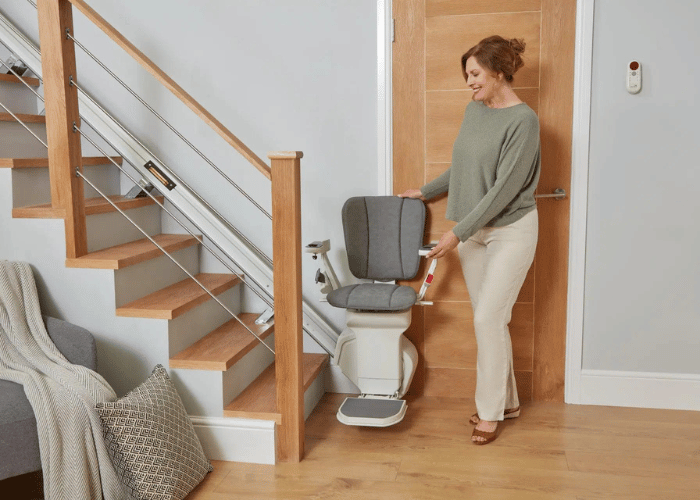
Straight stairlifts are the most common and affordable. They attach to the stairs (not the wall) and can usually be installed quickly.
Curved stairlifts are ideal for staircases with bends, turns, or landings. Each rail is made to your exact measurements, so they cost more and take longer to produce.
Standing stairlifts (sometimes called perch stairlifts) suit people who have difficulty bending their knees or hips. You travel in a supported standing position.
Refurbished stairlifts offer the same safety as new models at a lower price. Good suppliers test and thoroughly recondition these, replacing worn parts.
Rental stairlifts suit temporary needs: recovery from surgery, perhaps, or trying before you commit to buying.
Installation and Aftercare
A good stairlift is only as reliable as the support behind it.
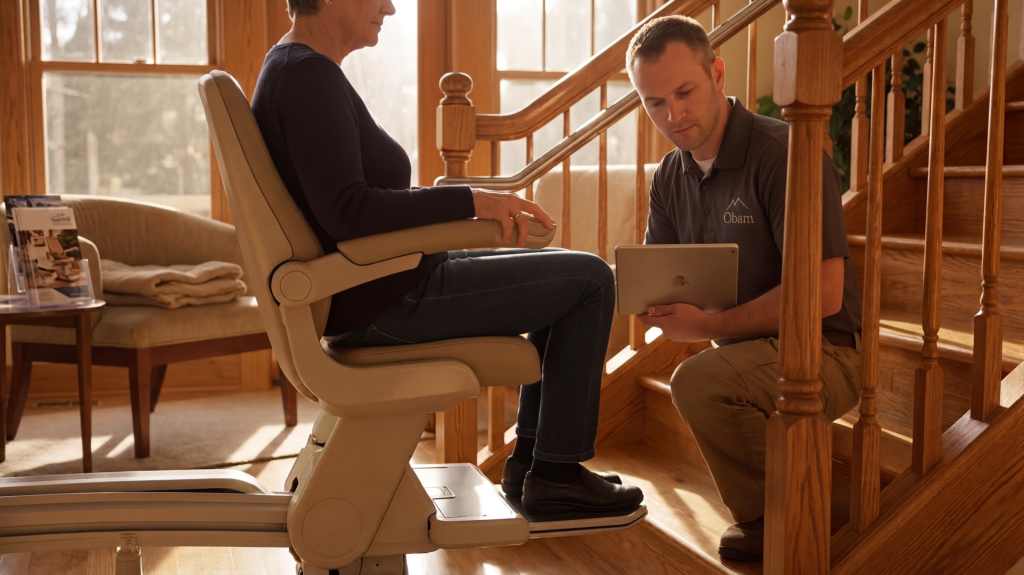
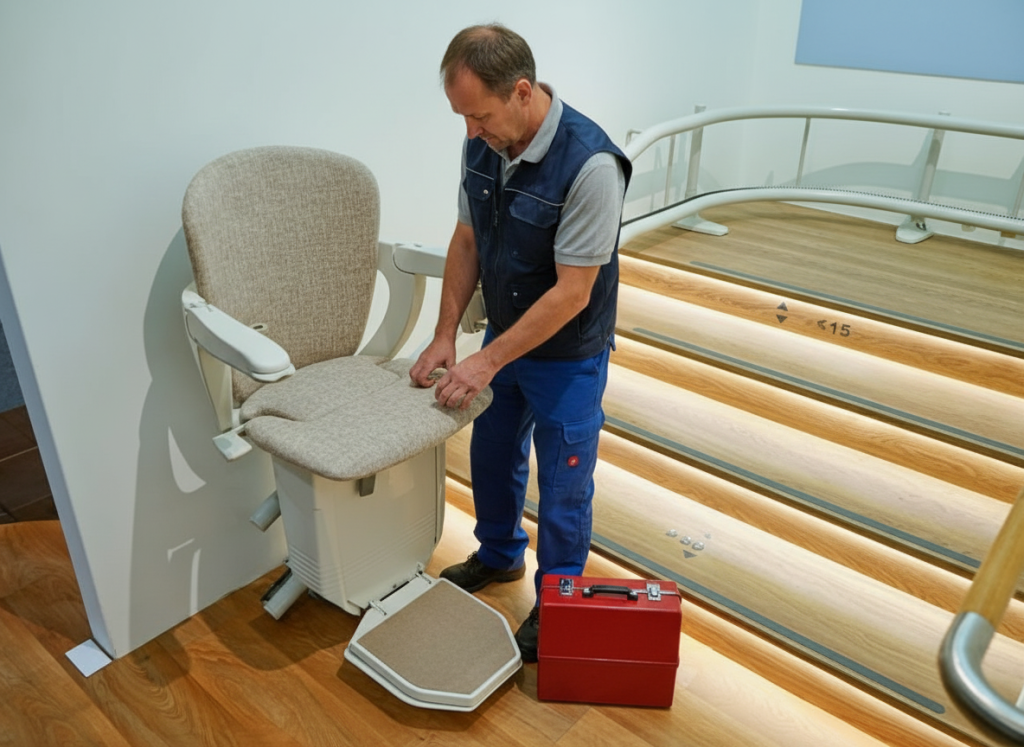
Installation should cause minimal disruption. The engineer should demonstrate all controls and safety features before leaving.
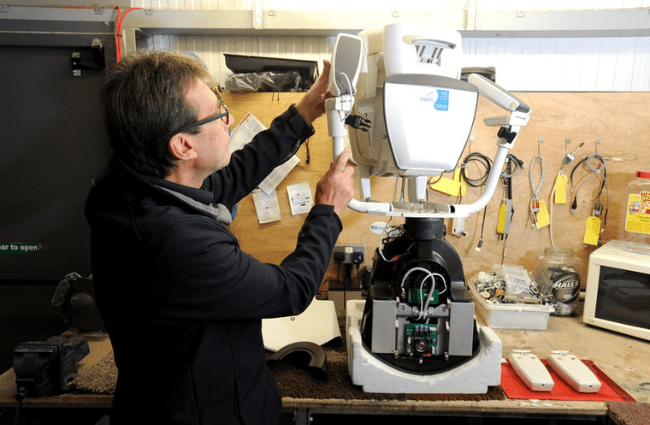
Aftercare matters. Stairlifts are mechanical. They need servicing, and occasional repairs happen. The availability of a real engineer (not just a call handler) at any time of day or night makes a difference when you’re stuck on your stairs.
Making Your Decision
Take your time. Ask questions. Don’t let anyone rush you. And remember: a proper home survey is essential. Anyone who tries to sell you a stairlift without measuring your staircase in person isn’t putting your needs first.
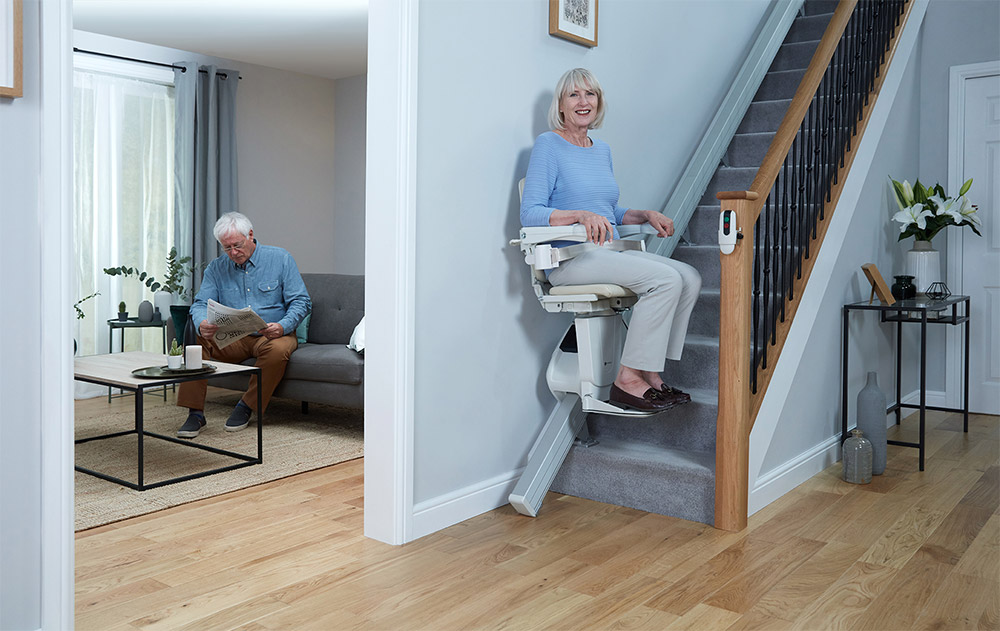
We’ve been helping people across Lincolnshire, Nottinghamshire and the surrounding areas stay independent since 2000. As an independent supplier, we work with leading manufacturers to match each customer’s situation with the right stairlift. Our advisors are salaried (never on commission), and our engineers provide genuine 24/7 support, every single day. To arrange your free home survey, get in touch.
Frequently Asked Questions
Yes. Curved stairlifts cost more because each rail is custom-manufactured to fit your specific staircase. The bespoke engineering needed for bends and turns increases both production time and cost.
Yes, when you buy from a reputable supplier. Good providers thoroughly test and recondition each unit, replacing worn parts to ensure compliance with current safety standards. They come with proper warranties and aftercare.
Yes. Renting suits for temporary needs, like recovery from surgery. Rental agreements typically include installation, maintenance and removal, making them flexible for short-term use.
No. Stairlifts attach to the stairs, not the wall. The rail fixes directly to the treads, so installation doesn’t affect your walls.
Yes. The Disabled Facilities Grant (DFG), administered by local councils, may help cover costs. Eligibility depends on your circumstances and the results of your needs assessment. Many suppliers also offer payment plans.