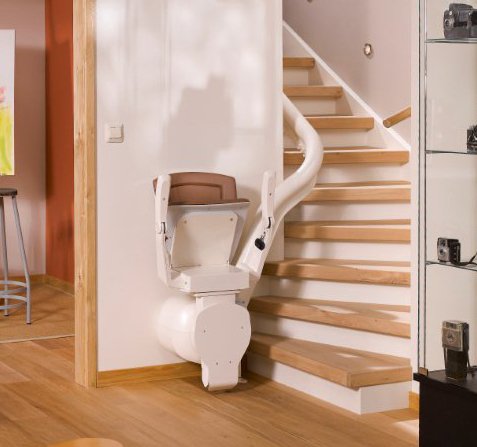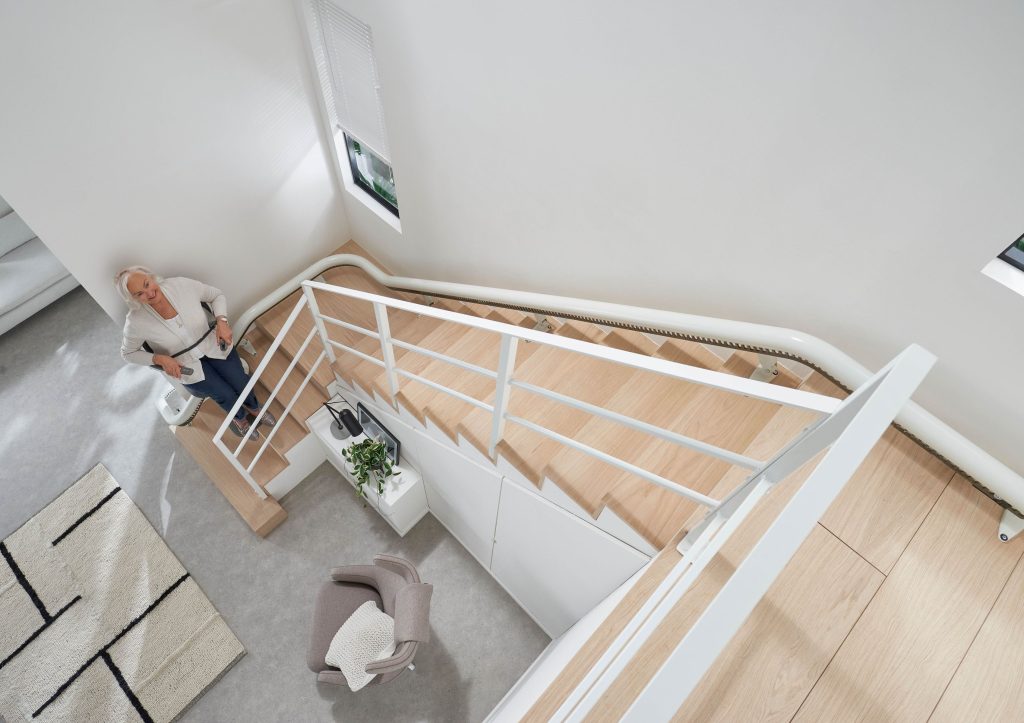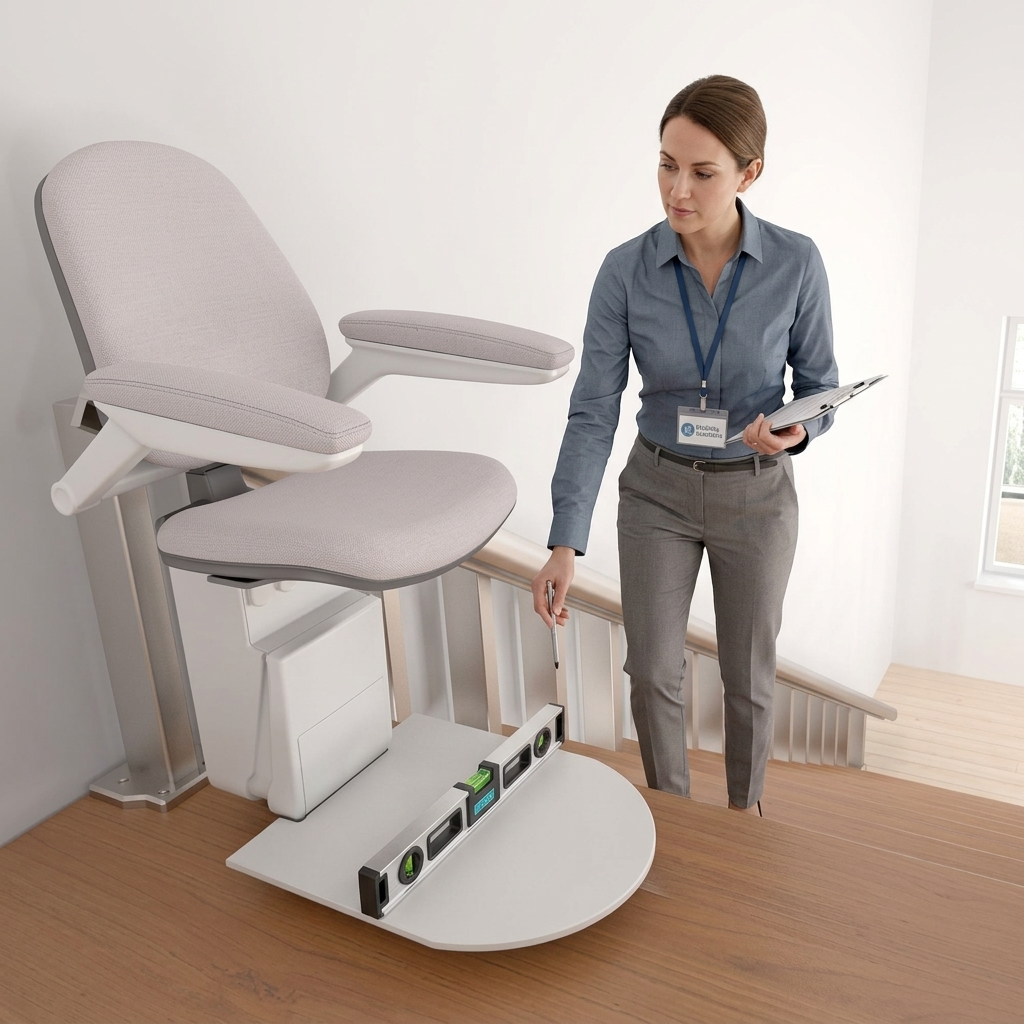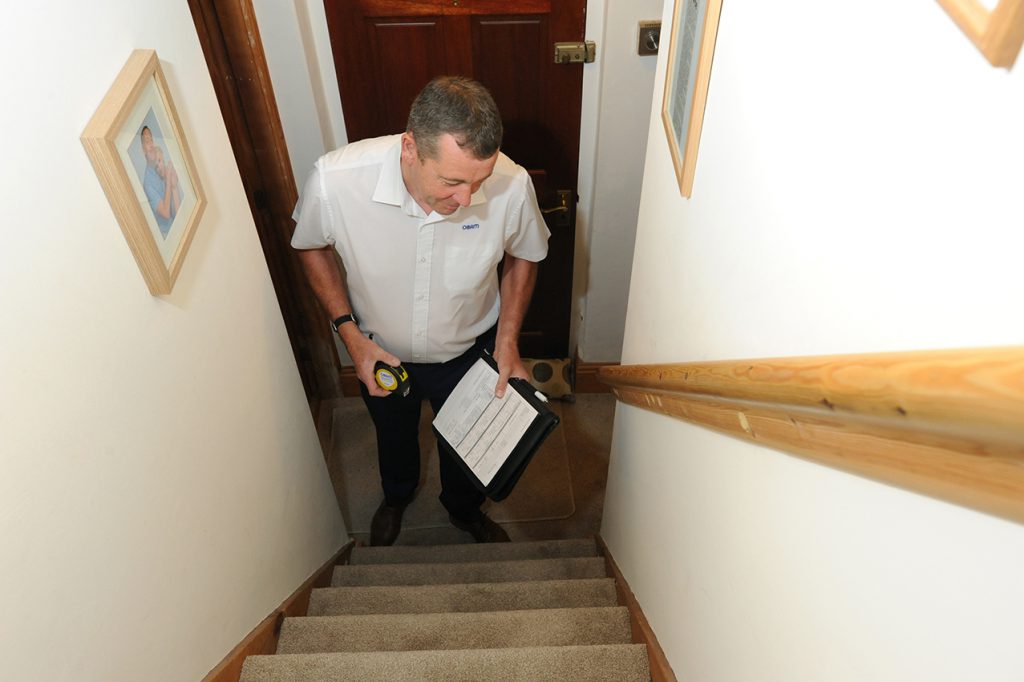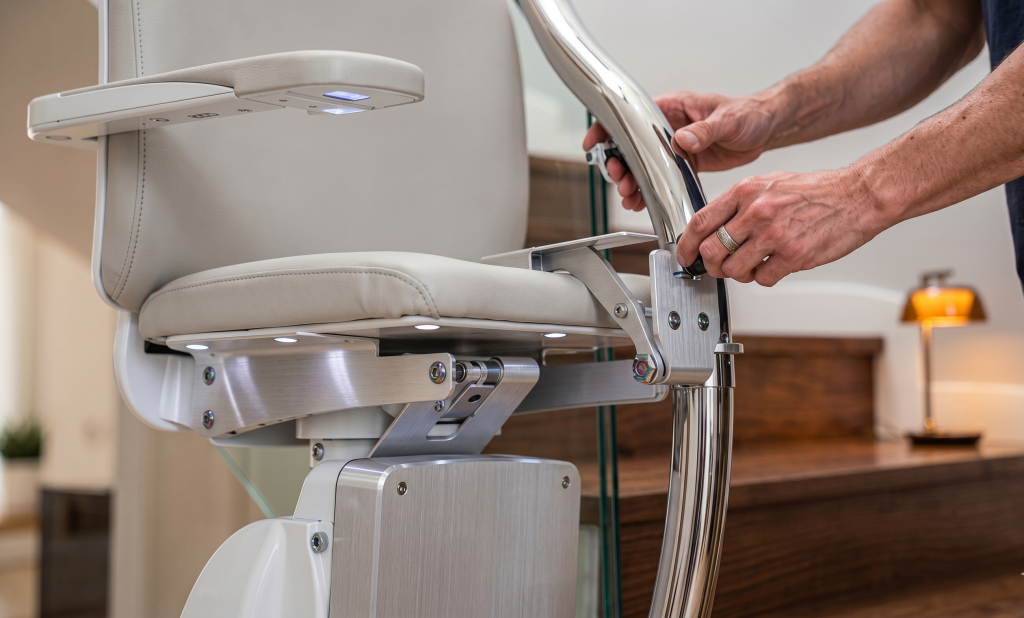
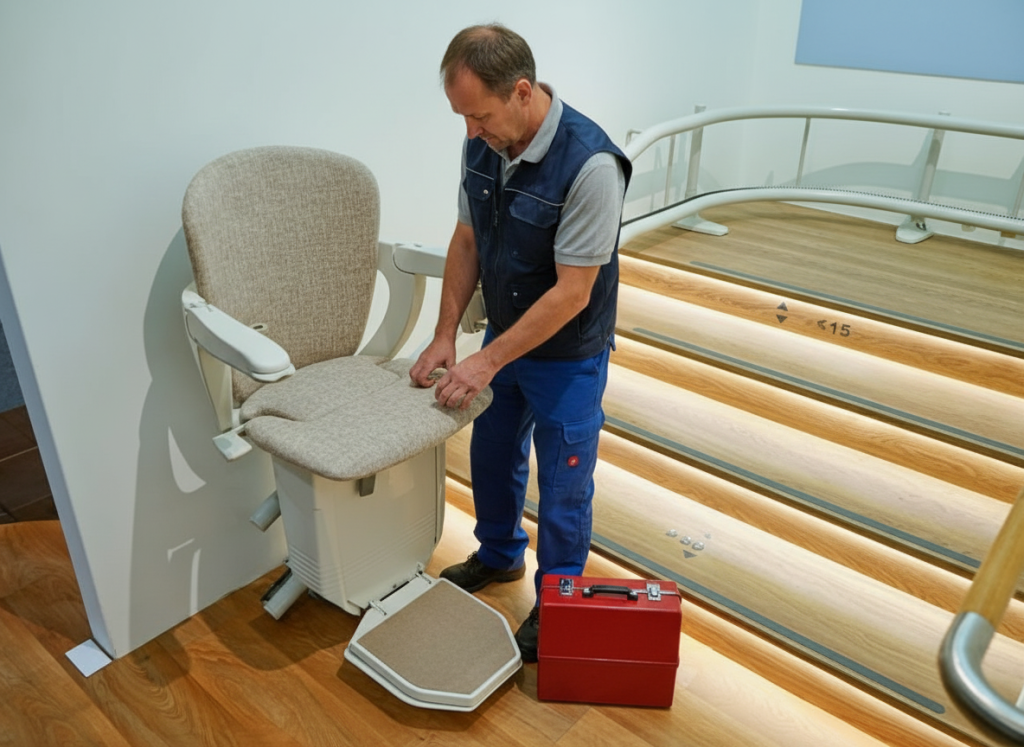
Stairlift grants are government and charity funds that help cover the cost of installing a stairlift in your home. The main scheme is the Disabled Facilities Grant (DFG), which provides up to £30,000 in England, £36,000 in Wales and £25,000 in Northern Ireland. Your eligibility depends on your mobility needs, finances, and an occupational therapist’s assessment.
Estimated Reading Time: 7 minutes
Key Takeaways
- The Disabled Facilities Grant is the primary government funding source for stairlifts in England, Wales and Northern Ireland.
- Scotland runs a separate system called the Scheme of Assistance.
- You’ll need an occupational therapist assessment before applying for most grants.
- Adults face a means test, but children’s applications don’t.
- Charities offer alternative funding if you don’t qualify for government support.
- VAT relief can reduce your costs if you have a long-term illness or disability.
What Is the Disabled Facilities Grant?
The Disabled Facilities Grant is a government scheme that local councils run to fund home adaptations. It covers stairlifts, ramps, level-access showers, and other changes that help you live safely at home.
Your council must provide this grant if you meet the criteria. They’ll check whether the work is reasonable and practical for your property. You can apply whether you own or rent your home. Tenants usually need their landlord’s written permission first.
The grant won’t affect any benefits you receive. And disability payments like Personal Independence Payment (PIP) or Disability Living Allowance (DLA) don’t count in the means test.
| Region | Maximum Grant |
|---|---|
| England | £30,000 |
| Wales | £36,000 |
| Northern Ireland | £25,000 |
| Scotland | Varies by council (Scheme of Assistance) |
How Do You Apply for a Stairlift Grant?
Start by contacting your local council’s adult social care team. They’ll arrange for an occupational therapist (OT) to visit your home and assess your mobility needs. This recommendation is essential. It’s the evidence that proves a stairlift is necessary for you.
Once the OT confirms you need a stairlift, they’ll refer your case to the housing adaptations team. You’ll then provide financial information for the means test. Already receiving Pension Credit or Universal Credit? You might skip this step entirely.
The council may request that you obtain two written quotes from different suppliers. They have six months to decide on your application.
But here’s the thing: waiting times for that first OT assessment can vary a lot depending on demand in your area.
Are Stairlift Grants Means-Tested?
For adults, yes. The council looks at your household income and savings. If you’ve got savings above £6,000, this may reduce your grant. Higher earners might need to contribute towards the cost themselves.
Some benefits act as a “passport” through the means test. These include:
- Pension Credit.
- Universal Credit.
- Income Support.
Receiving any of these? You’ll likely qualify for full funding without further checks.
✓ Good news for families: children’s applications are exempt in full. If the stairlift is for someone under 18, the grant is based solely on need. Household finances don’t come into it.
What Funding Is Available in Scotland?
Scotland does things differently. Instead of the DFG, councils here use the Scheme of Assistance. This can cover 80-100% of stairlift costs, depending on your circumstances and available budget.
The process is similar, though. You’ll still need an OT assessment. The council will still decide whether the adaptation is necessary. Contact your local housing department to find out what support is available to you.
Why Do Stairlift Grants Matter?
A stairlift can change daily life. But the cost puts many people off. That’s precisely why these grants exist.
For you and your family:
- You stay in your own home rather than moving or needing residential care.
- You reduce the risk of falls on the stairs.
- You regain independence and can move freely between floors.
- Carers face less physical strain when helping you.
- Daily routines become manageable again.
Think about it this way: a stairlift isn’t just equipment. It’s the difference between being stuck downstairs all day and having full access to your home. It’s sleeping in your own bedroom again. It’s using your bathroom without needing someone to help you up the stairs.
Can Charities Help Fund a Stairlift?
Absolutely. If you don’t qualify for government grants or you need extra money to cover the full cost, charities can step in.
| Organisation | Who They Help | What They Offer |
|---|---|---|
| Turn2Us | Anyone: searchable grant database | Help finding grants by postcode |
| Independence at Home | People with disabilities | Small grants for adaptations |
| Age UK | Older people | Advice and local funding contacts |
| SSAFA | Veterans and families | Grants for home adaptations |
| Royal British Legion | Ex-service personnel | Financial support for mobility needs |
| Edward Gostling Foundation | Low-income households | Mobility equipment funding |
| Royal Agricultural Benevolent Institution | Farming families | Stairlift grants and support |
These charitable grants often have shorter waiting times than council schemes. Veterans’ charities, for example, aim to decide urgent mobility cases within four to six weeks. Grants might only cover part of the cost, but that can make all the difference.
How Long Does the Grant Process Take?
Expect anywhere from three to eighteen months. It depends on OT waiting times, how quickly the council processes applications and how complex your case is. Some councils have enormous backlogs for assessments. This can delay everything.
Once you get approval, installation is quick. Most companies fit a straight stairlift within about a week. Curved stairlifts take longer because they need custom rails.
Need a stairlift urgently? You could buy privately and look at reconditioned options. Just don’t start any work before you get written approval. Doing so could result in your funding application being cancelled entirely.
Can You Get VAT Relief on a Stairlift?
If you have a long-term illness or disability, you can claim VAT relief. That’s a 20% saving on the purchase price. You’ll need to complete a VAT exemption form confirming you meet HMRC’s definition of “chronically sick or disabled.”
Over 60? You might qualify for reduced VAT at 5% when a supplier both supplies and installs the stairlift. This applies to mobility aids more broadly. It’s worth asking about.
Considering a stairlift and want to explore your options? We can help. As an independent supplier working with local authorities across Lincolnshire and Nottinghamshire, we understand the grant process inside out.
We can provide the written quotes you’ll need for your application.
Our team offers free, no obligation home surveys and can advise on the best solution for your situation. Get in touch to arrange your survey or talk through how we can support you.
Frequently Asked Questions
Stairlifts aren’t provided directly by the NHS. However, your GP can refer you to an occupational therapist. Their assessment then supports your Disabled Facilities Grant application through the council.
Eligibility is based on having a long-term disability or mobility condition, receiving an OT assessment confirming your need, and passing a means test. Children’s applications aren’t means-tested.
There are no pensioner-specific grants. But the Disabled Facilities Grant is open to all ages. Pensioners on Pension Credit often qualify for full funding without extra financial checks.
Renters are eligible for Disabled Facilities Grants. You’ll usually need your landlord’s written permission before the council approves the work.
Charitable grants often process faster than council schemes. Veterans’ charities aim to decide urgent cases within four to six weeks. However, philanthropic grants may only cover part of the total cost.