Estimated reading time: 6 minutes
Stairlift batteries are the unsung heroes that keep mobility devices running when you need them most. But choosing the right replacement? That can feel overwhelming without proper guidance. What separates a quality battery from a poor investment is the difference between years of dependable service and frustrating breakdowns. This guide gives you the practical framework you need to select stairlift batteries that deliver lasting performance and value for your specific situation.
What Should You Consider Before Purchasing Stairlift Batteries?
Making an informed battery purchase means evaluating several factors that directly impact performance and longevity. Use this framework to guide your selection.
Battery Type and Compatibility
You need replacement batteries that exactly match your stairlift’s specifications. Most stairlifts use sealed lead-acid batteries. These come in different amp-hour ratings. Install the wrong type, and you’ll damage your lift’s electrical system or void your warranty. Always check your manufacturer’s documentation first. Or better yet, consult with a qualified engineer before you buy anything.
Expected Lifespan and Usage Patterns
Think about how often you use your stairlift. Heavy daily use needs batteries with higher capacity and robust construction. Batteries typically last three to five years under normal conditions. But intensive use in multi-storey homes? That may reduce this timeframe.
Consider whether you make multiple trips daily or use the lift occasionally. This matters when you’re assessing battery requirements.
Professional Installation vs DIY
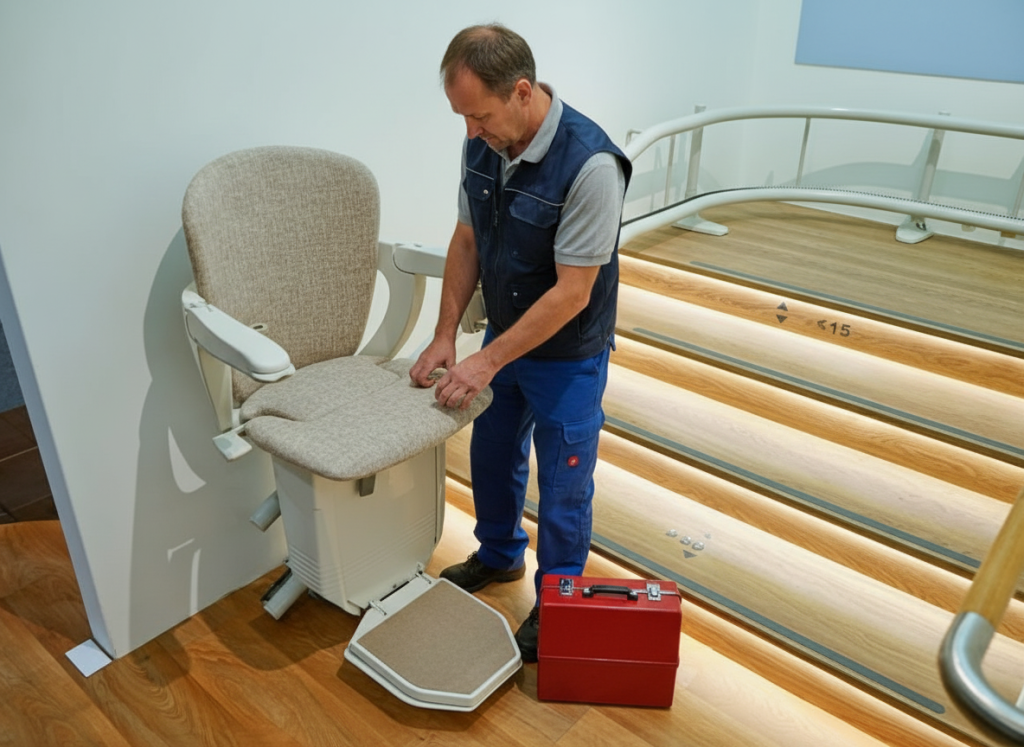
Stairlift batteries connect to complex electrical systems with specific charging requirements. Get the installation wrong and you’ll create safety hazards. You might damage expensive components. Or you’ll lose proper warranty coverage.
Professional installation provides a proper fit, proper disposal of old batteries, and verification that charging systems work correctly.
Warranty Coverage and Support
Quality batteries come with warranties that protect against premature failure. Look for coverage that includes both parts and labour. Verify what circumstances void the warranty.
But here’s what’s equally important: access to emergency support in the event of issues.
Total Cost of Ownership
The cheapest battery rarely represents the best value. You need to factor in professional installation costs, potential callout fees if problems occur, warranty limitations and expected replacement frequency.
Consider the whole picture, not just the upfront price.
Charging Infrastructure
Your stairlift’s charging system must match the battery specifications. Confirm that your existing charger is compatible with the replacement batteries. Or budget for a compatible charging unit if needed. Modern batteries may include charging management systems that prevent overcharging and extend operational life.
What Are the Green Flags and Red Flags When Selecting Stairlift Batteries?
Quality Indicators and Common Mistakes
| Green Flags ✓ | Red Flags ✗ |
| Batteries supplied by authorised dealers with full technical specifications and compatibility guarantees. | Batteries purchased from unverified online sellers without proper documentation or compatibility information. |
| Professional installation included, with qualified engineers who service your specific stairlift brand and model. | DIY installation is encouraged to save costs, with no professional checking of electrical connections or charging systems. |
| Explicit warranty covering both parts and labour, with defined terms and emergency support available. | Limited or unclear warranty terms, no emergency callout provision or warranties that exclude labour costs. |
| Sealed lead-acid batteries from recognised manufacturers, rated adequately for your stairlift’s power requirements. | Generic batteries with unverified specifications or alternatives that don’t match manufacturer recommendations. |
| Battery health checks are included during routine servicing, with proactive replacement recommendations based on performance testing. | No ongoing monitoring or maintenance offered, leaving you to guess when replacement becomes necessary. |
| Clear disposal arrangements for old batteries in line with environmental regulations and proper recycling procedures. | No mention of safe disposal, leaving you responsible for handling hazardous materials. |
| Transparent pricing that includes installation, disposal and warranty coverage with no hidden callout fees. | Unclear pricing structure with potential additional charges for installation, callouts or warranty claims. |
| Batteries stored properly and installed fresh, giving you maximum remaining shelf life. | Unknown storage conditions or batteries that may have been stored improperly before installation. |
The most reliable approach? It combines manufacturer-approved batteries, professional installation by trained engineers and ongoing servicing that monitors battery health before problems arise.
Companies that offer aftercare programmes demonstrate they care about long-term performance. Not just making a sale.
Warning signs include pressure to purchase immediately without proper assessment. Reluctance to provide written warranties. Or suggestions that any generic battery will do the job. Quality suppliers invest time in understanding your specific requirements. They recommend solutions that match your usage patterns and budget.
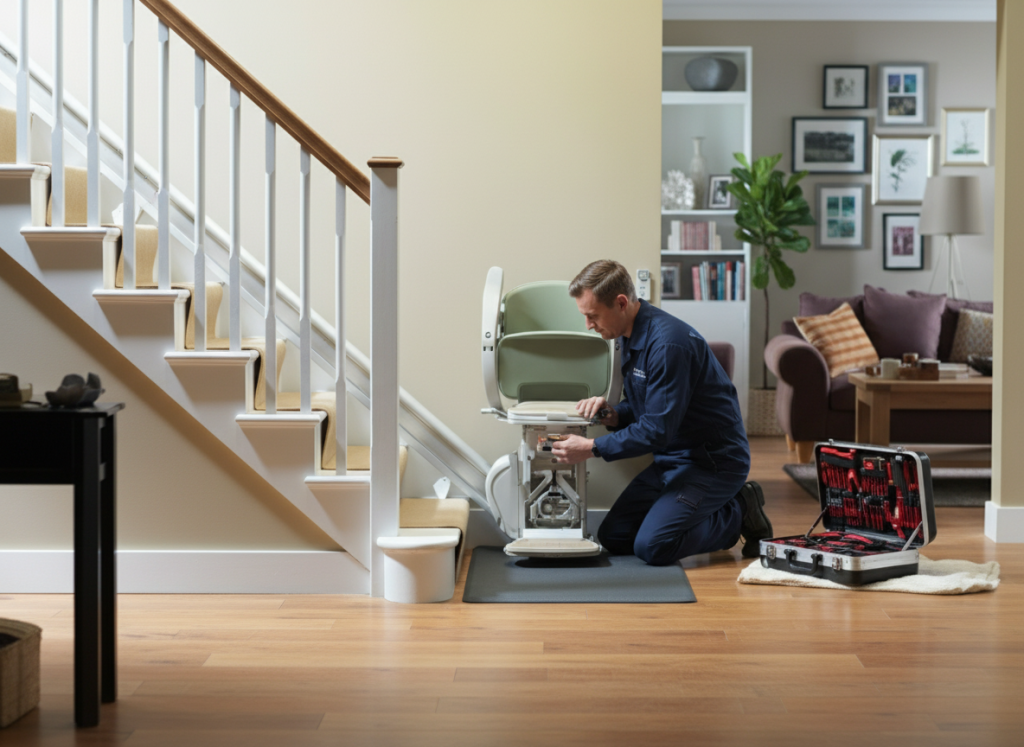
Regular professional servicing identifies battery degradation early. This prevents inconvenient breakdowns and maximises the lifespan of your investment.
Engineers use diagnostic equipment to measure battery capacity, charging efficiency and electrical connections. You can’t replicate this with household testing.
When issues occur, responsive repair services with genuine replacement parts make all the difference. The gap between a same-day fix and days without mobility access?
That’s what separates good suppliers from average ones. Established suppliers maintain parts inventories and trained engineers who understand the intricacies of different stairlift models.
Secure Your Mobility with Expert Stairlift Battery Services
You don’t need to navigate this decision alone.
We bring over 100 years of combined experience to every installation. Our manufacturer-trained engineers ensure your batteries integrate perfectly with your stairlift’s electrical systems. You get the dependable performance you deserve. Our 24/7 emergency support and honest advice, without pressure selling, mean you receive solutions tailored to your specific needs. Not just our most profitable products.
Contact our team today to arrange a free assessment and discover how professional battery services protect your independence and deliver genuine value.
Frequently Asked Questions
How long do stairlift batteries typically last before needing replacement?
Stairlift batteries typically last between three and five years under normal usage. Heavy daily use may reduce this timeframe. Occasional use can extend battery life. Regular professional servicing helps identify when batteries need replacement before complete failure occurs.
What are the warning signs that a stairlift battery needs replacing?
The primary warning sign is reduced speed, particularly when ascending stairs, even after a full charge. Other indicators include longer charging times, the stairlift stopping mid-journey or beeping alerts. Professional diagnostics give you a definitive assessment of battery health and remaining capacity.
Can I replace stairlift batteries myself to save money?
We don’t recommend DIY battery replacement. Incorrect installation creates safety hazards and may damage electrical systems or void warranties. Professional engineers ensure proper fitment, safe disposal of old batteries and verification that charging systems work correctly with new batteries.
Are all stairlift batteries the same, or do different models require specific types?
Stairlift batteries aren’t universal. Different models need specific types, voltages and amp-hour ratings. Using the wrong batteries can damage your lift’s electrical system or pose safety issues. Always verify compatibility with your manufacturer or consult a qualified engineer.
How much do replacement stairlift batteries cost, including professional installation?
Battery replacement costs vary depending on stairlift brand, battery specifications and service provider. Professional installation typically includes the battery, fitting, safe disposal and warranty coverage. Contact suppliers directly for accurate pricing specific to your stairlift model and requirements.